Donating to NGOs and charitable trusts is more than just financial support — it is a way to contribute toward education, healthcare, rural development, child welfare, women empowerment, and community welfare initiatives across India. Every contribution, whether small or large, helps organizations continue meaningful social work and support communities in need.
Today, many people actively search for trusted ways to donate to NGO India initiatives, especially for causes related to healthcare, education, scholarships, and emergency relief. However, before donating, it is important to understand how the donation process works, how to verify a charitable trust, and how tax benefits under Section 80G apply.
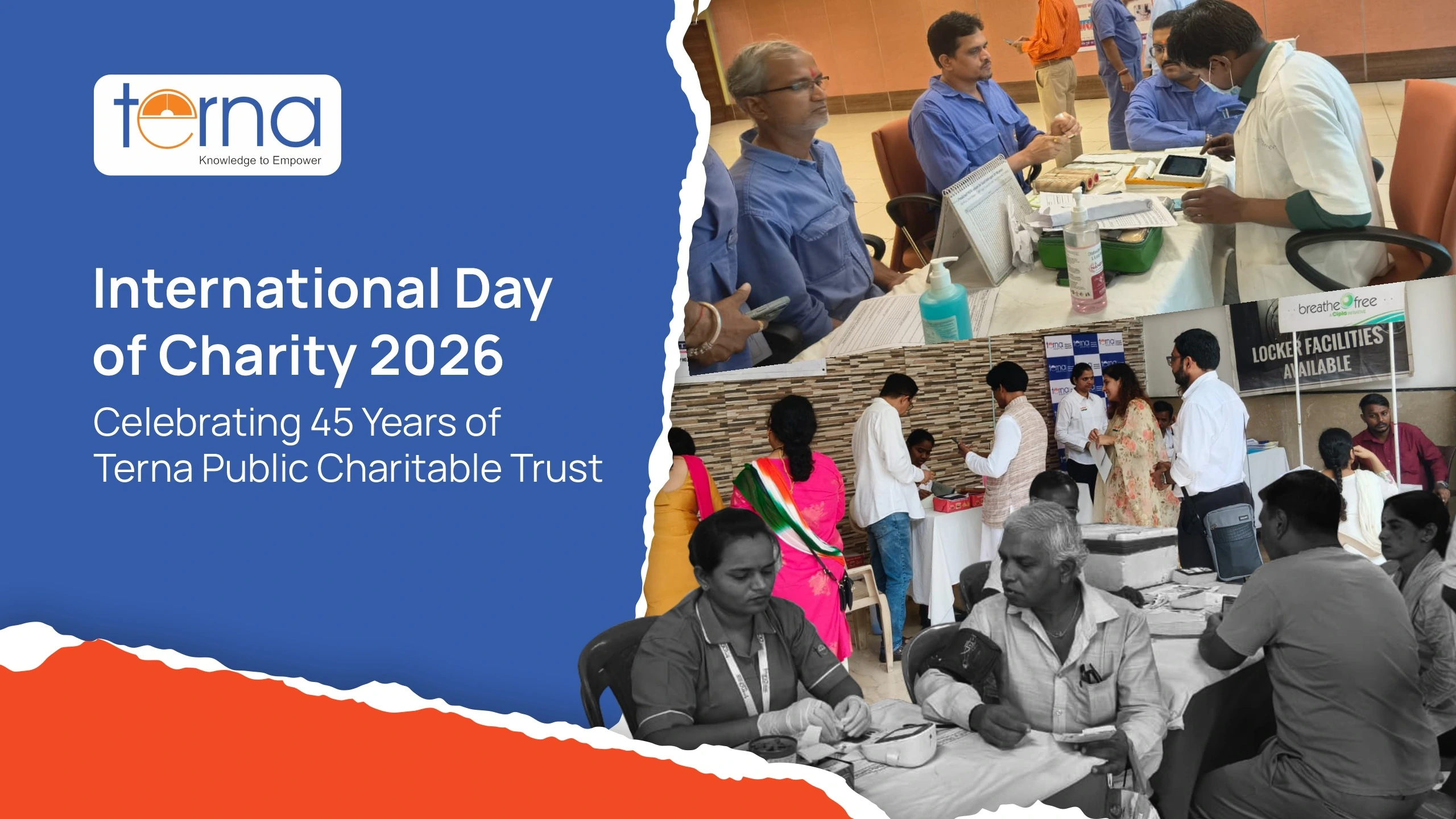
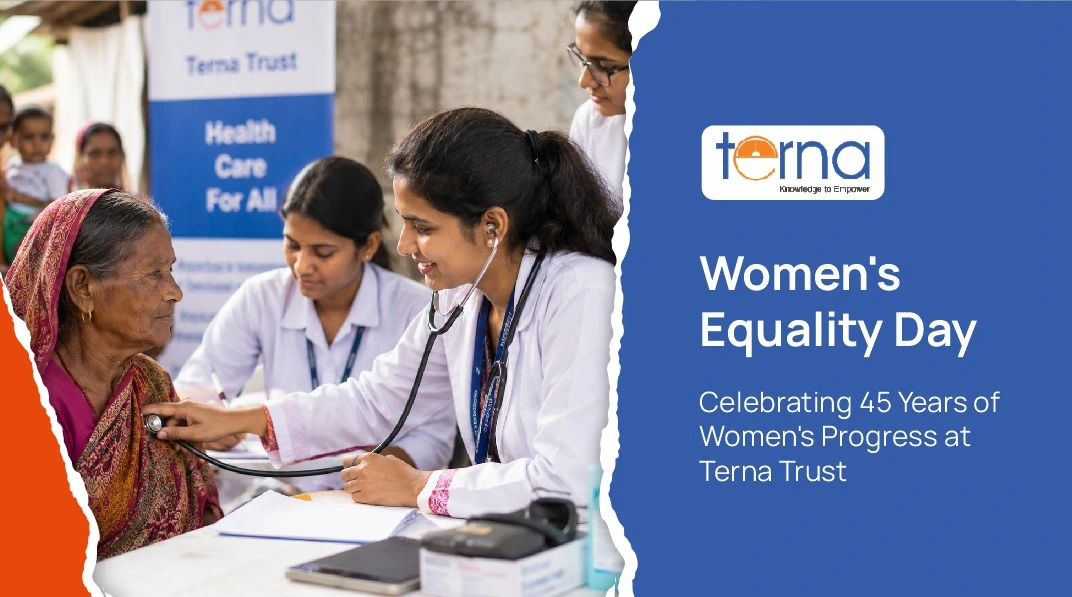
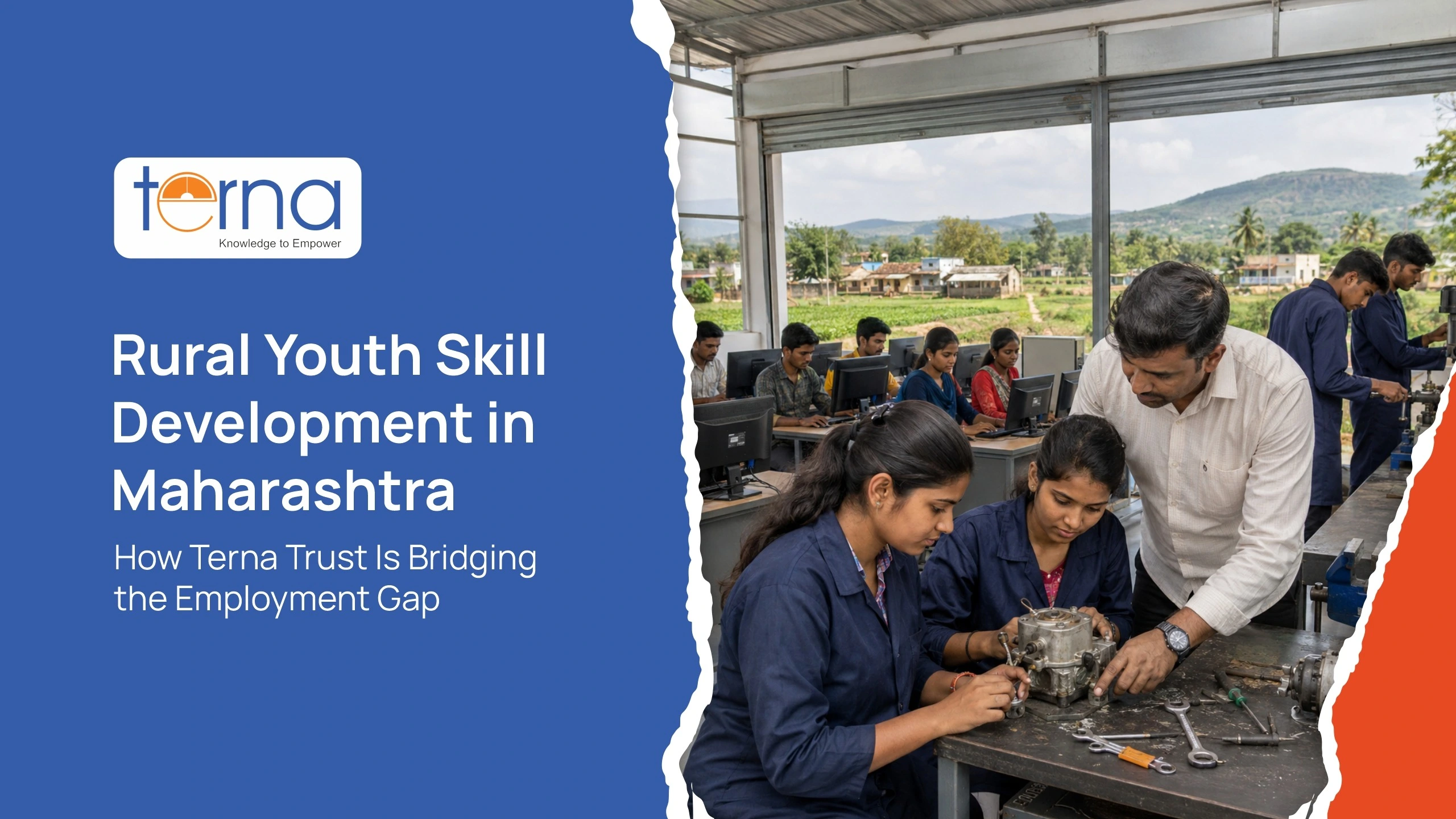
Organizations such as Terna Public Charitable Trust contribute toward education, healthcare, and community development through structured charitable and social welfare programs in Maharashtra.
Why Donations Matter
NGOs and charitable trusts rely heavily on donations to sustain their operations and expand their social impact. Donations help organizations:
- Support underprivileged students
- Provide healthcare assistance
- Conduct free medical camps and NGO Events
- Offer scholarships
- Develop schools and educational institutions
- Support women and child welfare programs
- Organize rural development initiatives
In many cases, charitable organizations become a bridge between resources and communities that lack access to basic education, healthcare, or financial support.
For example, educational charitable trusts often use donations to:
- Provide fee assistance
- Build classrooms and laboratories
- Support technical education
- Offer career development programs
Similarly, healthcare NGOs use donations for:
- Low-cost treatments
- Medical awareness drives
- Emergency healthcare support
- Patient welfare programs
When individuals and businesses donate responsibly, they contribute toward long-term social development and community upliftment.
Step-by-Step Donation Process
If you are planning to donate to NGO India programs or support a charitable trust in Maharashtra, following a proper process ensures that your contribution reaches the right organization safely and transparently.
Step 1 – Choose a Registered NGO or Charitable Trust
The first step is identifying a trustworthy and legally registered NGO or charitable trust aligned with the cause you want to support.
Some common causes include:
- Education
- Healthcare
- Rural development
- Child welfare
- Women empowerment
- Disaster relief
- Community welfare
Before donating, understand:
- What the organization does
- Which communities it supports
- How donations are utilized
- Whether it has a proven social impact
People searching for how to donate to charitable trust Maharashtra should prioritize organizations with transparent operations and strong community credibility.
Step 2 – Verify Legal Registration & 80G Status
One of the most important steps before donating is verifying whether the NGO or trust is officially registered.
Reliable organizations generally have:
- Trust registration certificate
- PAN card
- 12A registration
- 80G certification
Why is 80G Important?
80G registration allows donors to claim tax deductions under the Income Tax Act.
Without valid registration, donations may not qualify for tax benefits.
Always ask for:
- Registration details
- PAN information
- 80G certificate copy
- Official donation receipts
This helps ensure the organization follows proper compliance and governance practices.
Step 3 – Visit the Official Website or Donation Page
Once verification is complete, donate only through:
- Official websites
- Verified payment portals
- Authorized bank accounts
Avoid:
- Unverified third-party links
- Personal payment requests
- Informal cash transfers without receipts
Most professional NGOs and charitable trusts maintain secure donation systems with proper payment gateways.
Organizations supporting healthcare research, education, and social welfare usually provide detailed information about:
- Donation campaigns
- Current projects
- Social initiatives
- Annual reports
- Impact stories
This transparency helps donors understand how their contribution is being used.
Step 4 – Select Donation Amount or Cause
Many NGOs allow donors to contribute toward specific causes such as:
- Child education sponsorship
- Scholarship support
- Medical assistance
- Rural healthcare
- Women empowerment programs
- Food and nutrition support
Some donors prefer one-time contributions, while others choose recurring monthly donations to support long-term initiatives.
Corporate organizations may also contribute through CSR (Corporate Social Responsibility) partnerships for larger community projects.
Step 5 – Complete Payment Securely
Today, most charitable organizations offer multiple payment methods including:
- UPI
- Net banking
- Debit/Credit cards
- Bank transfers
- CSR contributions
While making payment:
- Ensure website security
- Verify organization name
- Save transaction details
- Avoid public or suspicious payment links
Secure payment practices help protect both donors and organizations.
Step 6 – Save Donation Receipt for Tax Purposes
After donating, always collect:
- Official donation receipt
- PAN details of NGO/trust
- 80G reference information
- Payment acknowledgment
These documents are important for:
- Tax filing
- Donation tracking
- Financial documentation
Maintaining proper records also improves transparency and accountability for both donors and organizations.
80G Tax Benefits Explained
One of the biggest advantages of donating to registered NGOs and charitable trusts in India is receiving 80G donation benefits under the Income Tax Act.
What is Section 80G?
Section 80G allows individuals and businesses to claim deductions on eligible donations made to approved charitable organizations.
The objective is to:
- Encourage charitable giving
- Support social welfare activities
- Promote philanthropy in India
Benefits of 80G Donations
Reduced Taxable Income
Eligible donations can reduce overall taxable income during income tax filing.
Encourages Social Contribution
Tax benefits motivate more individuals and companies to support social causes regularly.
Supports Long-Term Community Development
Donations help NGOs sustain educational, healthcare, and welfare programs for larger communities.
Documents Required for Claiming 80G Benefits
To claim deductions, donors usually need:
- Donation receipt
- NGO PAN details
- 80G certificate information
- Transaction proof
Before donating, confirm that the organization’s 80G certificate is valid and active.
How to Verify a Trust Before Donating
Trust and transparency are extremely important while donating to any NGO or charitable trust.
Before making contributions, donors should carefully evaluate the organization.
Registration Status
Always check whether the organization is legally registered under:
- Public Trust Act
- Society Registration Act
- Section 8 Company structure
Legal registration improves accountability and donor confidence.
80G & Compliance Verification
Reliable organizations maintain proper:
- Tax registrations
- Audit records
- Financial reporting
- Compliance certifications
Verify:
- PAN details
- 80G status
- Annual filing compliance
This ensures your donation is legally secure.
Transparency & Fund Utilization
Transparent NGOs usually provide:
- Annual reports
- Project updates
- Financial disclosures
- Impact assessments
Donors should understand:
- How funds are used
- Which communities benefit
- What programs are being supported
Organizations with clear communication and reporting systems are generally more trustworthy.
Social Impact & Public Reputation
Before donating, review:
- Community work
- Educational programs
- Healthcare initiatives
- Public testimonials
- Media presence
- Years of operation
Well-established organizations with long-term social involvement often demonstrate stronger credibility and measurable impact.
Conclusion
Choosing to donate to NGO India initiatives is a meaningful way to support education, healthcare, and community welfare across the country. However, responsible donating requires proper verification, transparency checks, and understanding of legal compliance such as 80G donation benefits.
By supporting trusted organizations, donors not only contribute toward social development but also help create sustainable opportunities for communities in need.
Institutions such as Terna Public Charitable Trust continue to contribute toward education, healthcare, and social welfare initiatives through structured charitable programs and community-driven development efforts in Maharashtra.
Frequently Asked Questions
You can donate to an NGO in India by choosing a registered NGO or charitable trust, verifying its legal registration and 80G status, visiting its official donation page, selecting a cause or donation amount, completing payment through a secure method, and saving the official receipt for your records.
Before donating, check whether the charitable trust has valid registration, PAN details, 12A registration, 80G certification, official website, transparent donation process, proper receipts, and visible social impact work. Donors should avoid unverified links, personal payment requests, or donations without official acknowledgment.
Section 80G of the Income Tax Act allows eligible donors to claim tax deductions on donations made to approved charitable organizations. To claim this benefit, donors usually need an official donation receipt, PAN details of the NGO, 80G certificate information, and payment proof.
Yes, many registered NGOs and charitable trusts in India accept online donations through official websites, verified payment gateways, UPI, net banking, debit cards, credit cards, or bank transfers. Donors should always confirm that they are donating through an official and secure payment channel.
After donating, collect an official donation receipt, transaction confirmation, NGO PAN details, 80G registration details if applicable, and payment acknowledgment. These documents are important for personal records and for claiming eligible tax deductions while filing income tax returns.
No, not all NGO donations qualify for tax deduction. Donations are eligible for 80G tax benefits only when made to organizations approved under Section 80G. Before donating, confirm whether the NGO or charitable trust has a valid and active 80G certificate.