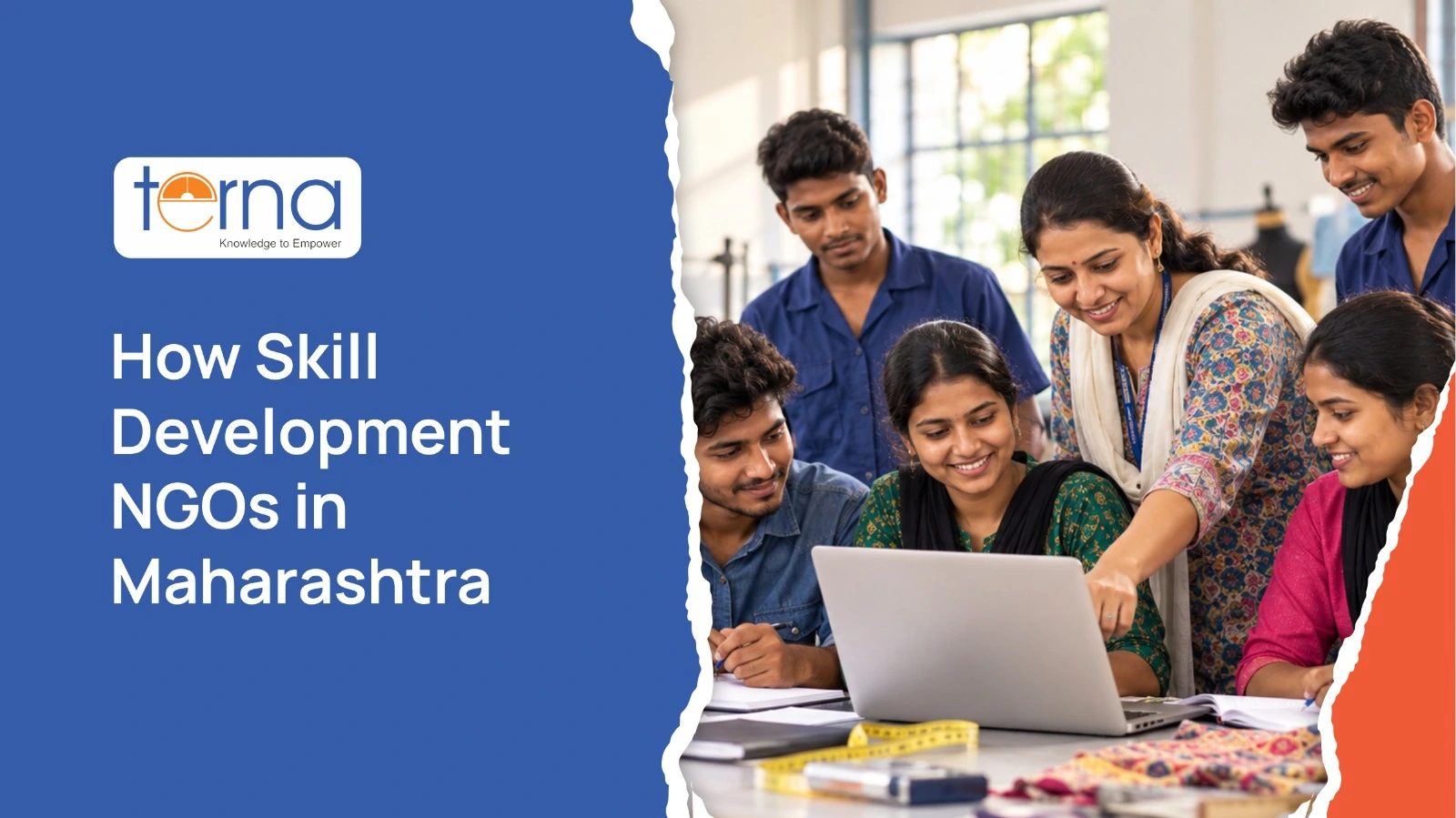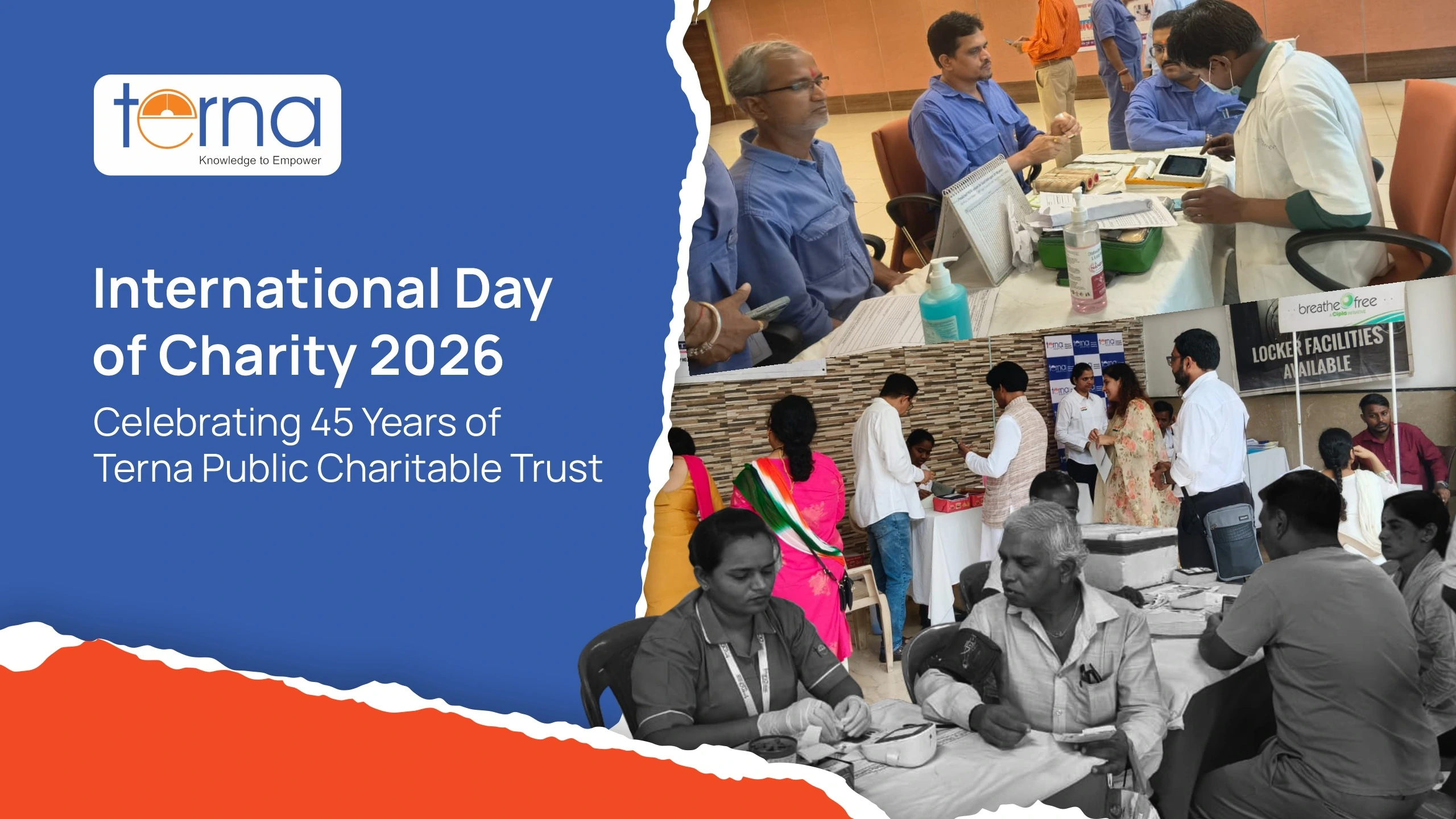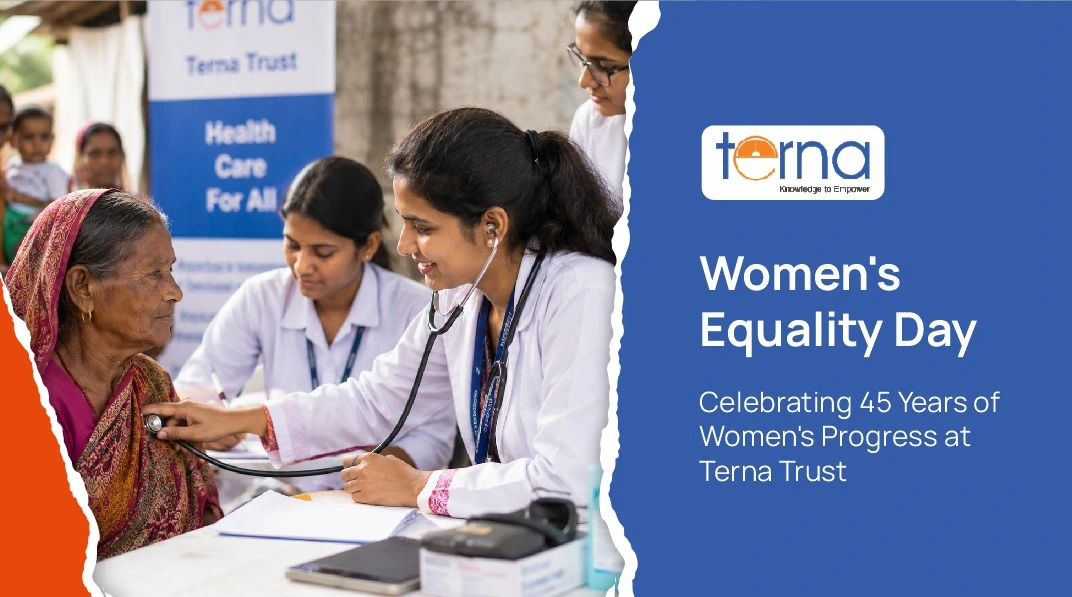
The government’s Periodic Labour Force Survey put rural youth unemployment (ages 15-29) at 8.3% in 2025, down slightly from the year before. That’s the national rural average, and Maharashtra tracks close to it. Farming still absorbs more workers than it can support, so the shortfall shows up early. Teenagers finish school with no clear next step and end up doing unskilled seasonal work instead of jobs that match what they actually trained for, when they trained for anything at all. Terna Trust has spent the last several years trying to close that specific gap through hands-on vocational training, not another scholarship program.
The gap isn’t ambition, it’s access
Rural youth aren’t short on drive. What’s missing is a direct line between what they can learn and what employers are actually hiring for. A student can finish twelfth grade with strong marks and still have no path into a trade, a technical role, or even a structured apprenticeship. The nearest ITI or polytechnic might be an hour’s bus ride away, and even when someone gets there, the course on offer doesn’t always match what factories or hospitals in the region are actually recruiting for that year.
Nationally, only about 4% of the workforce has any formal vocational training. That’s not because people don’t want it. It’s because the training isn’t sitting where the jobs are. Skill development programs exist to fix that specific mismatch, adding the practical layer that classroom education tends to skip. Done right, they also solve a second problem nobody talks about as much: the guesswork. A trainee who knows exactly which sector is hiring, and has an internship lined up before graduation, isn’t gambling months of unpaid effort on a course that might not lead anywhere.
What the Terna Skills program does
The Terna Skills program trains rural youth in job-ready trades and pairs the training with internship placements, so people leave with more than a certificate. It runs alongside Terna Trust’s other Janseva work — free health camps, farmer support, water literacy drives — under the same motto the trust has used since 1980: “service to humanity is the best work of life.” It sits under the same trust that already runs engineering, medical, and nursing colleges across Maharashtra, so it doesn’t live or die on a single grant cycle the way a standalone charity project might.
The DDU-GKY connection
Much of this runs through the Deen Dayal Upadhyaya Grameen Kaushalya Yojana (DDU-GKY), a central government scheme built for rural youth aged 15 to 35. Terna Trust implements the program locally through its Janseva initiative, so the training sits inside a national framework with its own funding and placement targets rather than depending purely on donor goodwill from year to year. Graduates come out with a government-recognized certification, not just one issued by the trust, which matters when an employer is comparing candidates and has no other way to verify what someone actually learned.
From classroom to paycheck
Training that never leads to a paycheck isn’t skill development. It’s just a course. Terna Trust builds internships into the program so trainees get supervised, real work experience before anyone expects them to hold a job on their own. For families around Dharashiv and the surrounding districts, that internship stipend is often the first wage anyone in the household has earned outside agriculture.
Why this matters past one household
A trained, employed young person doesn’t just support their own family. Younger siblings watch and adjust what they think is possible for themselves. Terna Trust’s community services work already backs farmers through drought years and financial setbacks. Skill training applies that same logic earlier, before someone’s forced out of farming by circumstance rather than choice. The trust’s Janseva blog post breaks down how these programs connect on the ground.